Formation ’26 Intelligence Brief: Six Signals Shaping the Future of AI in P&C Insurance
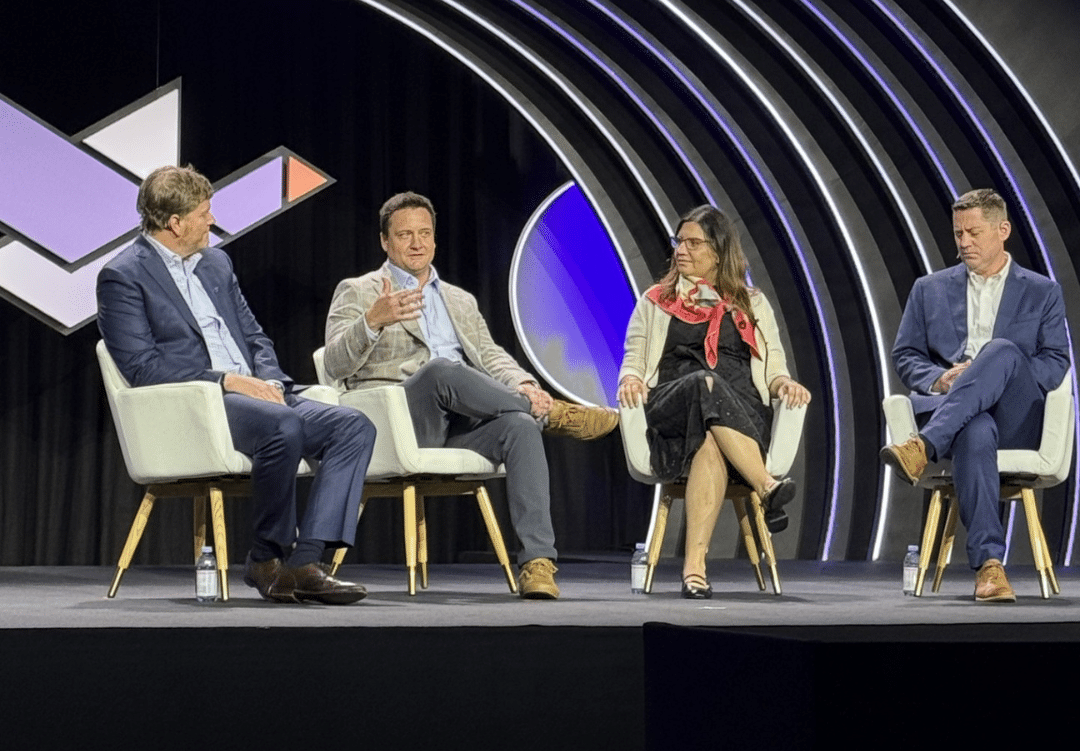
Formation ’26 made one thing clear: the conversation around AI in insurance has fundamentally changed.
The question is no longer whether insurers should modernize. It’s how they connect trusted data, governed AI, and core operations to make better decisions across the enterprise.
This article summarizes the six most important trends shaping the future of AI in P&C insurance.
Signal 1: Trusted Data Has Become the Foundation of AI
Artificial intelligence may dominate today’s headlines, but one signal emerged consistently throughout Formation: successful AI begins with trusted data.
As conversations moved from AI capabilities to real-world implementation, the discussion repeatedly returned to data readiness, governance, and information quality.
AI doesn’t eliminate poor data. It scales it.
That shift is moving executive attention away from dashboards and data lakes toward creating trusted, connected information that powers analytics, automation, and AI across the insurance lifecycle.
Trusted data is no longer simply an IT initiative. It is becoming a business strategy.
Key takeaway: Trusted data is the foundation that enables responsible AI, intelligent automation, and better insurance decisions.
Continue reading: Why Data Readiness Is the Foundation of AI in Insurance.
Signal 2: Trust Will Determine the Pace of AI Adoption
The question surrounding AI is no longer whether it creates value. It’s whether insurers can trust it.
Successful AI adoption depends on governance, explainability, transparency, and human oversight—not simply model performance.
Insurance decisions carry financial, regulatory, and customer consequences. Every recommendation must be explainable. Every decision must be accountable.
Organizations that establish trusted AI frameworks today will be positioned to innovate faster tomorrow.
Key takeaway: Trust—not model performance—will determine how quickly insurers can scale AI across the enterprise.
Signal 3: Agentic AI Changes How Insurance Work Gets Done
The first generation of AI answered questions. The next generation helps get work done.
Agentic AI represents a shift from passive assistants to intelligent systems that coordinate workflows, gather information, orchestrate tasks, and support decisions across underwriting, claims, product development, and customer operations.
Importantly, this isn’t about replacing insurance professionals. It’s about allowing them to spend less time coordinating work and more time applying their expertise.
The future belongs to organizations that combine intelligent automation with human judgment.
Key takeaway: Agentic AI creates value by helping insurance professionals get work done more efficiently—not by replacing their expertise.Continue reading: Agentic AI: Unlocking True Automation for P&C Insurance Carriers
Signal 4: Underwriting Is Becoming the Center of Competitive Advantage
Perhaps the strongest business message throughout Formation was the renewed importance of underwriting.
Every policy begins with an underwriting decision.
Yet underwriters continue spending significant portions of their day assembling submissions, locating information, and navigating fragmented systems instead of evaluating risk.
The opportunity is no longer simply automation. It is creating decision-ready submissions that allow underwriters to focus on judgment, broker relationships, and profitable growth.
The future of underwriting belongs to organizations that connect intelligence directly to where underwriting decisions are made.
Key takeaway: Competitive advantage begins by improving underwriting decisions, not simply automating underwriting tasks.
Continue reading: Why Underwriting Transformation Keeps Falling Short—And What Will Fix It
Signal 5: Intelligence Must Live Inside the Workflow
Analytics has traditionally existed alongside insurance operations. Formation challenged that model.
Rather than expecting users to leave their work to search for insight, intelligence increasingly needs to appear inside the workflow itself.
Whether supporting underwriting, claims, customer service, or product development, information creates value only when it arrives at the moment decisions are made.
The future belongs to insurers that transform information into operational intelligence—not simply better reporting.
Key takeaway: Intelligence creates value only when it becomes part of everyday insurance workflows.
Continue reading: The 2026 State of P&C—From Digital Transformation to Intelligent Operations
Signal 6: The Intelligent Core Is Becoming the New Operating Model
Every signal emerging from Formation ultimately pointed to the same conclusion.
Trusted data.
Governed AI.
Agentic workflows.
Intelligent underwriting.
Connected operations.
None of them deliver their full value in isolation.
The organizations pulling ahead are connecting these capabilities through an Intelligent Core that brings together policy, billing, claims, underwriting, data, and AI into a single operating model.
That’s more than core modernization. It’s a new model for running an insurance business.
Key takeaway: The Intelligent Core connects trusted data, insurance workflows, and AI into a single operating model that enables better decisions across the enterprise.
The Road Ahead
The future of insurance won’t be defined by any single technology.
It will be defined by how effectively insurers connect trusted data, governed AI, intelligent workflows, and core operations through an Intelligent Core.
The organizations that lead the next decade won’t simply adopt more AI.
They’ll operationalize it responsibly, embed it into everyday insurance work, and empower people to make better decisions across the enterprise.
The future of insurance won’t be built by adding more technology.
It will be built by connecting intelligence into every insurance decision.
Continue the Intelligence Brief Series:
Resources to Power Your Knowledge
Trusted resources selected for distribution and compliance leaders