Executive Brief: The 2026 State of P&C—From Digital Transformation to Intelligent Operations
For the past several months, our leadership team has been on the front lines of the industry’s most critical conversations—from Nashville and Philadelphia to London and Singapore. We haven’t just been attending conferences; we’ve been speaking, listening, and pressure-testing strategies alongside carriers, partners, and industry leaders.
Across every region—from North America and Europe to Asia-Pacific—we heard remarkably consistent themes. The markets may differ, but the direction of travel does not.
Recent moves across the industry, including Duck Creek’s acquisition of Send Technology, reinforce just how quickly underwriting, AI, and core operations are converging into a single intelligent operating model. The conversation is no longer about modernizing individual systems—it’s about connecting trusted data, AI, workflows, and core insurance operations to create intelligent operations that can continuously adapt to change.
One message surfaced consistently: the industry is moving from experimentation to execution. The question is no longer whether insurers should adopt AI, but how they embed intelligence into the operating model to make better decisions, execute with confidence, and continuously adapt.
Together, these shifts point to a broader transformation: insurers are moving from digitizing individual functions to orchestrating intelligent operations across the enterprise.
Here are the three strategic shifts every insurer should be preparing for.
#1 The Shift Beyond Standalone AI
Why are standalone AI strategies falling short?
Standalone AI struggles to scale because intelligence separated from trusted data, governance, and core insurance workflows cannot consistently support enterprise decision-making. The next generation of AI succeeds by connecting intelligence directly to the Intelligent Core.
Throughout the spring conference season, the conversation around AI matured rapidly. Across every region we visited, one message surfaced consistently: the industry is moving from experimentation to execution. At Insurtech Outlook India, that shift was especially clear. The conversation is no longer about adding AI capabilities—it’s about connecting intelligence to the operating model so insurers can make better decisions, execute with confidence, and continuously adapt.
The AI buzz at hashtag#ITIUSA this year is undeniable, but the conversations in the halls have shifted from “what’s possible” to “how do we scale?”
The consensus is clear: You cannot scale what you cannot trust. And in a highly regulated P&C market, trust is the ultimate bottleneck to innovation.
The Intel
That evolution was especially evident at Insurtech Insights USA 2026, where the conversation moved beyond “What’s possible?” to a much more practical question: “How do we scale?”
Carriers are moving beyond AI pilots toward AI they can trust. As regulations such as the EU AI Act and evolving NAIC guidance raise the bar for governance, Duck Creek embeds neuro-symbolic AI within the Intelligent Core.
By connecting trusted data, insurance workflows, and domain expertise, Duck Creek delivers AI built specifically for insurance.
The View from the Ground
At London Engage, one shift became unmistakable. In our conversations with customers, the discussion had moved from the potential of AI to its practical application. The appetite for moving from theoretical models to real-world deployment was clear—but so was the expectation that AI must be transparent, governed, and trusted.
The most common concern we heard from CUOs in London wasn’t about the sophistication of the model; it was about accountability. If your AI decisioning is a “black box,” it’s not an asset—it’s a compliance liability waiting to happen.
At Reuters Events: The Future of Insurance 2026, where Duck Creek joined industry leaders to share our perspective on intelligent operations, that conversation broadened even further. The focus was no longer on digital transformation as an end state, but on building intelligent operating models that connect people, trusted data, AI, and workflows into the day-to-day execution of insurance.
The Playbook
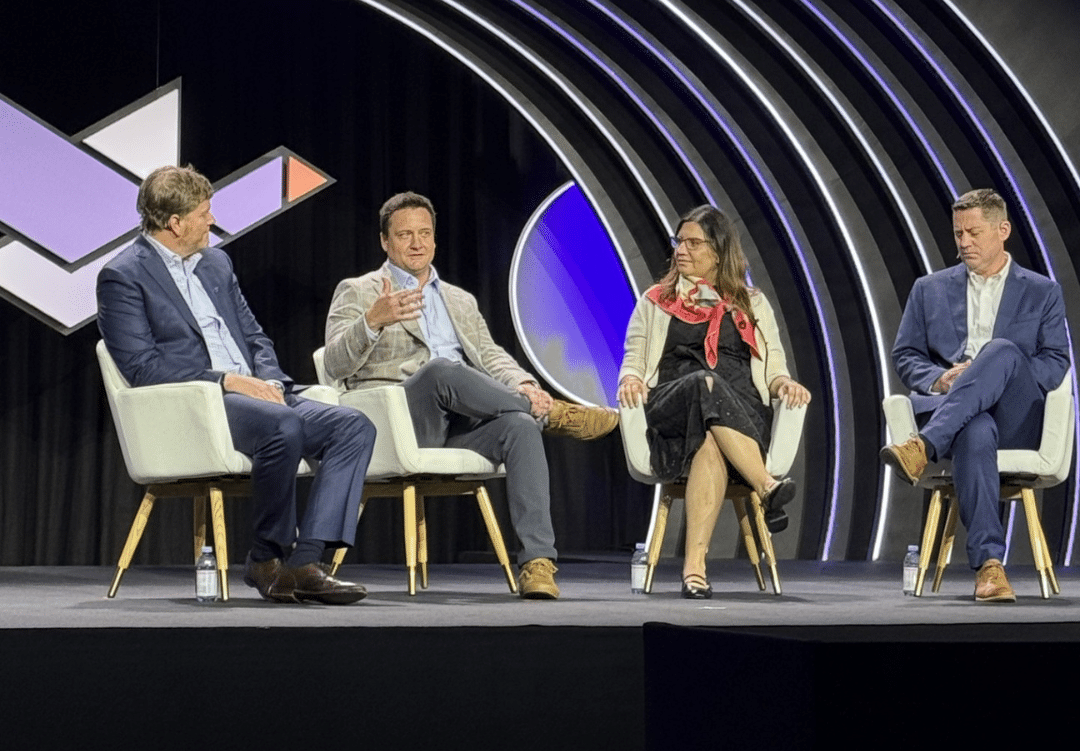
As CEO, Hardeep Gulati recently emphasized at Insurtech Insights USA 2026, wide adoption requires a “Trusted AI Playbook.” That playbook is built on three principles: trusted data, governed AI, and intelligence embedded directly into the core insurance workflows where decisions are made. By partnering with leaders like Coaction Global, we’ve demonstrated that you don’t have to sacrifice compliance for speed. You can achieve both.
The future won’t belong to the insurers with the most AI. It will belong to those that can trust it at scale.
Learn more about Hardeep’s Trusted AI Playbook → https://www.duckcreek.com/resource/press-releases/hardeep-gulati-ai-playbook-insurtech-insights/
#2 Multi-Country Complexity is the New Growth Ceiling
How can insurers scale across multiple countries without increasing complexity?
Leading insurers are standardizing where they can while localizing where they must—combining shared capabilities with country-specific products, languages, currencies, regulations, and workflows. This approach improves consistency while accelerating expansion into new markets.
That theme was echoed throughout London Engage 2026, where conversations consistently focused on how insurers can scale globally without increasing operational complexity. The answer wasn’t separate systems for every market—it was operating models that balance enterprise consistency with local flexibility.
The Intel
Global carriers are rethinking how they support international growth. Rather than maintaining separate policy administration implementations for every geography, they’re adopting operating models that separate enterprise-wide capabilities from market-specific configuration.
The result is a common operational foundation with localized products, rules, languages, currencies, and regulatory requirements—improving consistency, reducing complexity, and accelerating expansion into new markets.
The View from the Ground
In the hallway, one message kept coming through. Global carriers are tired of fragmentation. They want a common operational framework that lets them reuse configurations across regions while remaining locally compliant. Which helps them launch products in weeks instead of months.
The Playbook
Duck Creek’s expanding global platform strategy is designed to meet that need. Our multi-layer enhancements enable insurers to standardize where they can and localize where they must—reusing configurations across regions while supporting market-specific requirements.
Combined with our commitment to support the London Market, this approach helps carriers expand into complex markets faster without the operational burden of maintaining separate core implementations.
Global growth isn’t about supporting more countries. It’s about managing less complexity.
Learn how Duck Creek is helping insurers scale globally with the Multi-Country Layer https://www.duckcreek.com/resource/press-releases/london-market-multi-country-layer-london-engage/
.
#3 Intelligence in the Underwriting Workflow
How does Agentic AI improve underwriting?
Agentic AI improves underwriting by coordinating people, trusted data, AI, and workflows across the underwriting lifecycle. Rather than replacing underwriters, it automates repetitive work, so experienced professionals can focus on judgment, complex risk, and profitable growth.
The industry has spent years burdening its best talent with data entry and form-chasing. That era is over. The rise of Agentic AI is finally giving underwriters their judgment back.
The Intel
The insurance industry has been pursuing underwriting transformation for years.
The challenges are well understood. Underwriters spend too much time on administrative work, information remains fragmented across systems, and carriers continue to invest in technologies that improve productivity, consistency, and profitability. More recently, AI has introduced new opportunities to automate routine work and accelerate decision-making.
Yet despite significant investment, many transformation initiatives still fall short of delivering the business outcomes carriers expected.
The View from the Ground
At ITC Asia, the momentum across Southeast Asia’s insurance landscape is building. For non-life insurers looking to scale, the conversation is shifting: it’s no longer about chasing the latest trend—it’s about fundamentally strengthening your foundation.
At Underwriting Network: London 2026, a complementary theme emerged from Chief Underwriting Officers and underwriting leaders: the challenge isn’t just innovation—it’s architectural. If your core isn’t doing the heavy lifting of data intake and orchestration, you’re not competing on risk selection—you’re competing on how much manual work your underwriters can absorb.
As the conversation shifts toward agentic workflows that coordinate people, trusted data, AI, and decisions across the underwriting lifecycle, the goal isn’t to replace underwriters—it’s to eliminate repetitive work so they can focus on judgment, complex risk, and profitable growth.
The Playbook
We are accelerating this vision through our Agentic AI Platform and the addition of Send Technology’s underwriting orchestration. By connecting submission intake, trusted data, risk enrichment, risk assessment, pricing, policy execution, and portfolio insight into a single, connected operating model, we are bringing intelligence directly to the point of decision.
The ultimate result isn’t simply faster automation. It’s smarter risk selection—powered by trusted data, governed AI, and an Intelligent Core designed for continuous decision-making.
Recently, Duck Creek announced its acquisition of Send Technology, introducing the only complete agentic underwriting-to-core platform available now.
The future of underwriting isn’t fewer underwriters. It’s better decisions powered by intelligent operations.
Together, we’re bringing underwriting orchestration, the Intelligent Core, and trusted AI together in one connected experience. Learn more.
What Should Insurers Do Next?
Strategy is only as good as the architecture that executes it. Across every market we visited this year, the message was remarkably consistent. Whether the discussion centered on Trusted AI, global expansion, underwriting discipline, or operational resilience, insurers are moving beyond digital transformation toward intelligent operations.
As we look ahead to ITC Vegas 2026, the conversations shaping the industry continue to point to three priorities:
- Build on an Intelligent Core.
- Power it with trusted data.
- Scale governed AI.
The leaders of the next decade won’t be defined by who adopted AI first. They’ll be defined by who built the trusted foundation to operationalize it at scale.
We’ve seen the why, and we’ve explored the how. Now the question is whether your current architecture is ready for what’s next.
The future of insurance isn’t more AI. It’s intelligent operations.
The Future Won’t Wait. Will Your Architecture?
Let’s explore whether your current foundation can deliver trusted AI, connected workflows, and continuous innovation—or whether it’s time for a different approach.
Resources to Power Your Knowledge
Trusted resources selected for distribution and compliance leaders